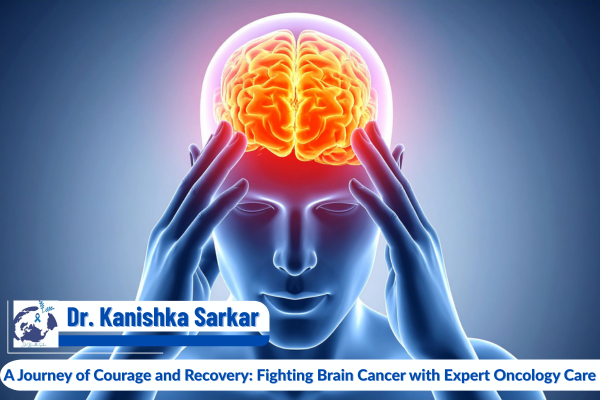
A Journey of Courage and Recovery: Fighting Brain Cancer with Expert Oncology Care
Persistent headaches, seizures, or neurological symptoms should never be ignored. Discover how Dr Kanishka Sarkar helped a patient overcome brain cancer through advanced oncology treatment and compassionate care.
Dr. Kanishka Sarkar
7/1/20263 min read
Introduction: When Life Suddenly Changed Overnight
At 45, Mr. Arindam Sen was living a healthy and active life with his family when he began experiencing frequent headaches, dizziness, and occasional blurred vision.
Initially, he assumed it was stress or work-related fatigue. But over time, the symptoms became more severe, and one morning he suddenly experienced a seizure that frightened both him and his family.
Emergency medical evaluation and brain imaging later revealed a devastating diagnosis — Brain Cancer.
The news left the entire family emotionally shattered, filled with fear, uncertainty, and questions about the future.
Understanding Brain Cancer
Brain Cancer occurs when abnormal cells grow uncontrollably within the brain. Brain tumors may affect memory, speech, movement, vision, and overall neurological function depending on their location and severity.
Common symptoms of brain cancer may include:
Persistent headaches
Seizures
Nausea or vomiting
Blurred or double vision
Difficulty speaking or remembering
Weakness or numbness
Loss of balance and coordination
Early diagnosis and specialized oncology treatment are extremely important for improving outcomes and quality of life.
Emotional and Physical Challenges After Diagnosis
For Arindam and his family, the diagnosis created intense emotional and physical stress.
He struggled with:
Fear of surgery and cancer treatment
Anxiety about survival and neurological complications
Emotional exhaustion and uncertainty
Difficulty concentrating and sleeping
Concerns about family responsibilities and future independence
Like many cancer patients, he needed not only advanced medical care but also emotional support and reassurance throughout his journey.
Expert Consultation with Dr Kanishka Sarkar
Searching for specialized cancer treatment, Arindam consulted Dr Kanishka Sarkar, a Consultant Clinical Oncologist known for expertise in advanced cancer care and patient-focused treatment planning.
After reviewing MRI scans, pathology reports, and neurological evaluations, Dr. Sarkar carefully explained the diagnosis, stage of the disease, and available treatment options.
His calm communication, compassionate guidance, and evidence-based approach gave Arindam and his family renewed confidence during one of the most difficult phases of their lives.
Advanced Treatment Options for Brain Cancer
Modern oncology now offers highly advanced and personalized treatment options for Brain Cancer.
Treatment options may include:
Brain tumor surgery
Radiation therapy
Chemotherapy
Targeted cancer therapy
Precision oncology care
Neurological rehabilitation and supportive care
Dr. Sarkar designed a personalized treatment plan focused on controlling tumor growth, protecting neurological function, and improving long-term quality of life.
Why Early Oncology Treatment Matters
Delayed diagnosis and treatment of brain cancer can increase the risk of neurological complications and disease progression.
Early treatment helps:
Improve treatment response
Reduce neurological symptoms
Protect speech, movement, and memory
Improve survival outcomes
Enhance quality of life and recovery potential
Modern oncology treatment now combines advanced medical technology with supportive rehabilitation for better patient outcomes.
Recovery Journey: Fighting Cancer with Strength and Hope
Arindam’s recovery journey required emotional resilience, strong family support, and continuous medical care.
Key milestones during recovery included:
Gradual improvement in neurological symptoms
Better emotional stability and confidence
Improved physical strength and balance
Positive response to cancer treatment
Return to selected daily activities with medical guidance
With proper rehabilitation and follow-up care, he steadily regained confidence and hope for the future.
Final Outcome: A New Chapter Filled with Gratitude
Today, Arindam Sen is living a stronger and more hopeful life after successful brain cancer treatment and rehabilitation.
He now values every moment with gratitude and encourages others never to ignore persistent neurological symptoms such as severe headaches, seizures, or vision changes. His story reflects how advanced oncology care, timely diagnosis, and emotional strength can help patients fight even the most difficult cancers.
Frequently Asked Questions (FAQ): Brain Cancer
What is brain cancer?
Brain Cancer is a condition where abnormal cells grow uncontrollably within the brain.
What are the early symptoms of brain cancer?
Persistent headaches, seizures, blurred vision, memory problems, dizziness, weakness, and balance issues may be warning signs.
Is brain cancer treatable?
Treatment depends on the tumor type, size, and stage, but many patients benefit from surgery, radiation therapy, chemotherapy, and targeted treatments.
When should I consult an oncologist?
Immediate medical evaluation is important if neurological symptoms become persistent, severe, or progressively worsen.
Can patients recover after brain cancer treatment?
Many patients experience improvement in symptoms and quality of life with timely treatment, rehabilitation, and ongoing medical care.
Conclusion: Advanced Oncology Care Can Restore Hope and Strength
A diagnosis of brain cancer can feel emotionally overwhelming and life-changing, but modern oncology now offers highly advanced treatment solutions that can improve outcomes and quality of life.
Under the expert supervision of Dr Kanishka Sarkar, patients receive compassionate and personalized cancer care focused on symptom management, neurological protection, and long-term recovery support.
Arindam’s story is a powerful reminder that early diagnosis, advanced cancer treatment, emotional resilience, and expert medical guidance can help patients overcome fear and move forward with renewed hope and confidence.