
Comprehensive Cancer Screening for Early Detection | Trusted Preventive Oncology Care
Discover the importance of transparent and comprehensive cancer screening for early detection. Learn how clear doctor–patient communication improves confidence and preventive care outcomes.
Dr. Kanishka Sarkar
3/4/20261 min read
Transparent & Trustworthy Cancer Screening: A Patient-Centered Approach to Early Detection
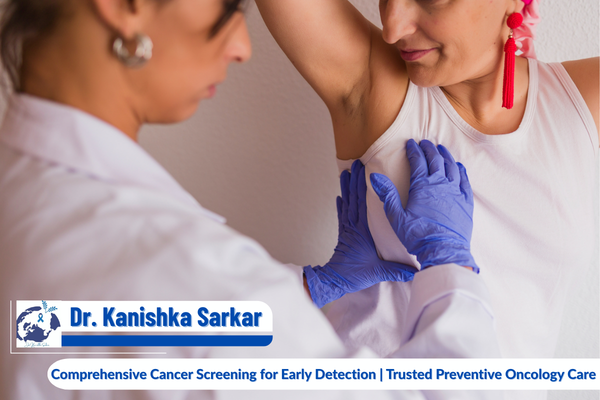
Cancer screening is one of the most important steps in preventive healthcare. Early detection not only increases the chances of successful treatment but also provides peace of mind. In this case, a patient visited Dr. Sarkar for a complete cancer screening with the goal of ensuring early diagnosis and prevention.
What stood out in this experience was not just the thorough evaluation, but the clarity and transparency maintained throughout the process.
The Importance of Comprehensive Screening
Preventive oncology focuses on identifying potential health risks before symptoms appear. Depending on age, medical history, and risk factors, screening may include blood investigations, imaging studies, and organ-specific diagnostic tests. Each test plays a critical role in building a complete health profile.
Dr. Sarkar took the time to explain:
The purpose of each diagnostic test
What conditions it helps detect
Why early screening is essential
How results guide future preventive care
This detailed explanation empowered the patient with knowledge and reduced anxiety often associated with medical testing.
Clear Communication Builds Confidence
Medical procedures can feel overwhelming without proper guidance. However, when doctors communicate openly and compassionately, patients feel informed rather than fearful. In this case, the patient felt reassured about the accuracy and necessity of every test performed.
Transparency in healthcare fosters trust, improves compliance, and enhances overall patient satisfaction.
Preventive Oncology: More Than Just Tests
This case highlights a fundamental truth—cancer screening is not only about diagnostics, but also about patient education and emotional reassurance. Clear doctor–patient communication ensures that individuals understand their health status and actively participate in preventive decisions.
With timely screening, expert evaluation, and compassionate care, preventive oncology becomes a proactive step toward long-term well-being.